
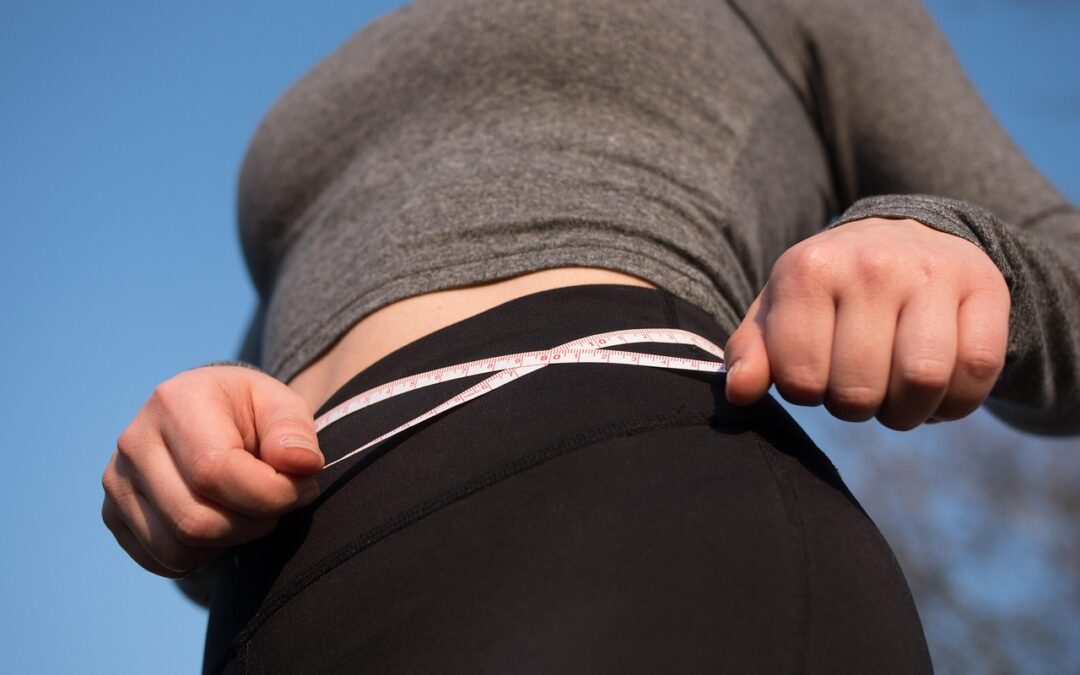
Walking for Weight Loss in 2026: The Simple Daily Step Plan That Actually Works
If you want weight loss in 2026, you do not need a perfect diet, a punishing workout plan, or a gym membership you stop using by February. You need consistency. That is why walking is one of the most underrated tools for getting fit. It is low stress, it improves mood and energy, and it is easy to repeat even when life gets busy.
A lot of people focus only on what they eat, and food matters. But movement is the multiplier. Walking helps create a calorie deficit, supports better blood sugar control, reduces stress eating, and makes your body feel better while you are losing weight. If your goal is a sustainable fitness plan for 2026, start with steps.
Why walking works for weight loss
Walking helps with weight loss because it increases daily calorie burn without triggering the intense hunger some people get from hard cardio. It is also easier to do consistently. Consistency beats intensity every time.
Walking also improves the habits that affect weight loss the most:
Better sleep quality
Lower stress levels
Improved digestion
More energy for strength training
A routine that replaces snacking time
If you want a simple plan that supports fat loss and does not wreck your joints, walking is it.
How many steps per day for weight loss
You will hear a lot about 10,000 steps per day. It is a great target, but it is not a magic number. The real key is increasing your current average.
Here is a realistic step target ladder:
If you average under 4,000 steps: aim for 5,000 to 6,000
If you average 4,000 to 6,000: aim for 7,000 to 8,000
If you average 7,000 to 9,000: aim for 9,000 to 11,000
The best step goal is the one you can hit most days without feeling like your life revolves around it.
The 4-week walking plan for 2026
This plan is simple on purpose. You are building the habit first, then improving the output.
Week 1: Build the routine
Goal: Add 10 minutes per day
Pick one time of day that is realistic. After lunch is a great option because it also helps with cravings.
Week 2: Add one longer walk
Goal: 5 days of walking, one day a longer walk
Keep your daily walk, plus one 30–45 minute walk on the weekend or your easiest day.
Week 3: Add “brisk” minutes
Goal: 10 minutes of brisk walking inside your walk
Brisk means you can talk, but you do not want to sing. You are breathing a little heavier.
Week 4: Make it automatic
Goal: Hit your step target 5–6 days this week
If you miss a day, do not “make up” for it with punishment. Just get back to normal the next day.
This is how walking becomes a lifestyle instead of a January phase.
Walking vs. gym workouts
Walking is not a replacement for strength training, but it is a perfect partner.
If your goal is getting fit, your best combo is:
Steps for daily fat loss support
Strength training 2–3 times per week to build muscle and shape
A reasonable diet plan you can follow
If you only do walking, you can still lose weight. If you combine walking with strength training, you tend to look and feel better while you do it.
The best times to walk for fat loss and cravings
Morning walk
Great for mood and energy. Many people find they snack less when they start the day with movement.
After-meal walk
One of the best options for blood sugar and cravings, especially after lunch or dinner.
Evening walk
Helpful if stress eating is your problem. A 15-minute walk can break the pattern.
Pick the time that fits your life. The best time to walk is the time you will actually do it.
Make walking easier with these simple tricks
Tie it to a habit: walk after coffee or after lunch
Use a rule: “No phone scrolling until my walk is done”
Make it social: call a friend, walk with your spouse, take your kid
Make it convenient: keep shoes by the door
Make it visible: set a daily step goal on your phone or watch
None of this is fancy, but it makes your plan stick.
Common mistakes that stall results:
Only walking on weekends
Walking hard one day, then doing nothing for five days is not a plan.
Ignoring food completely
Walking helps create a calorie deficit, but it does not cancel out constant snacking or sugary drinks.
Going from zero to extreme
If you suddenly try to walk two hours per day, you will quit. Build slowly.
Did You Diet?
If you want a realistic weight loss plan for 2026, start walking. Set a step goal based on your current baseline, build a simple routine, and focus on consistency. Combine walking with high-protein meals and two or three strength workouts per week and you will have one of the most sustainable fitness strategies you can follow all year.